
Njegos Mausoleum: Montenegro’s Cultural and Historical Landmark
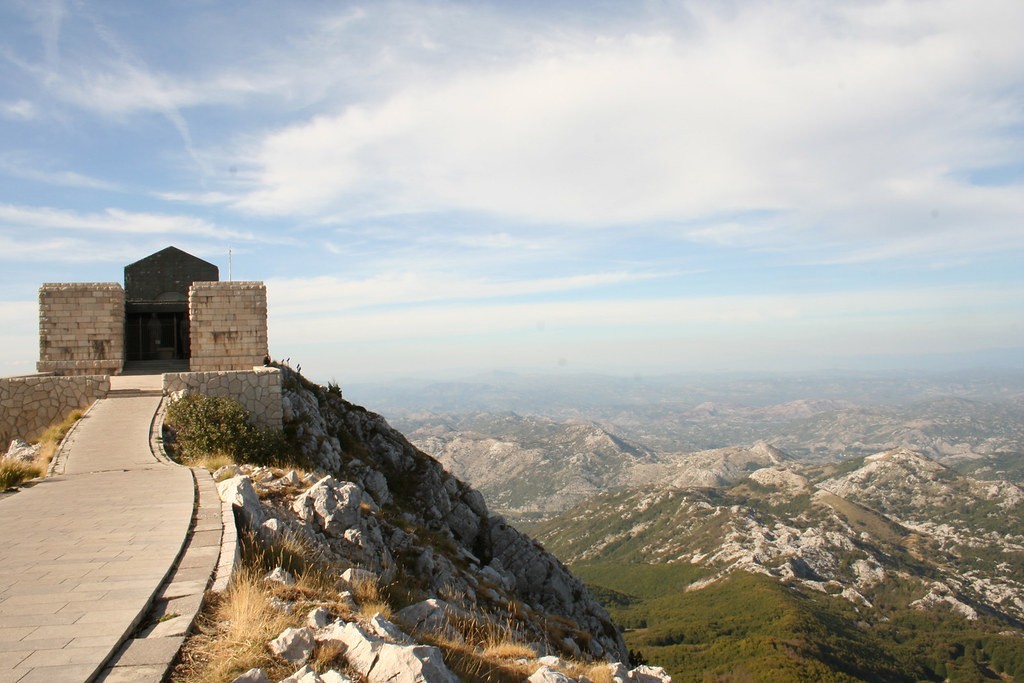
Perched atop the second-highest peak in Lovćen National Park, Montenegro’s Njegos Mausoleum is a must-see destination for visitors to the region.This spectacular mausoleum, built between 1970 and 1974, is the park’s main feature and a symbol of Montenegrin history and culture. In this post, we will look at the history, design, and significance of the Njegos Mausoleum, as well as what tourists can expect when they visit.
Did you know that it’s the highest mausoleum in the world, dramatically perched on a mountain peak and accessible only by climbing 461 stone steps?
Who was Petar II Petrović Njegoš?
Petar II Petrović Njegoš, often known as Bishop Rade, was a Montenegrin poet, philosopher, and ruler born around the beginning of the nineteenth century. He became a monk at an early age and eventually took over Montenegro’s administration. Montenegro had a strong national consciousness and patriarchal morals at the time, but anarchy, tribal disputes, and blood feuds were on the rise.
Upon ascending the throne, the ruler-artist embarked on a mission to establish educational institutions and courts, while also prioritizing the development of infrastructure and diplomatic ties. Concurrently, he crafted literary treasures, notably renowned works such as “The Mountain Wreath” and “The Ray of the Microcosm.” Through his writings, he delved into the fundamental nature of human existence, consistently exploring themes of universal morality, eternity, and profound analysis. Inextricably intertwined with his persona, the profound musings of this esteemed philosopher continue to be referenced and contemplated on a daily basis, both within the region and beyond.


Did you know that Njegoš’s poem “The Mountain Wreath” is considered a cornerstone of Montenegrin literature and national identity, and is still studied today across the region?
Njegoš’s legacy is felt throughout Montenegro, and a typical portrait in Montenegrin homes depicts Njegoš in traditional or monastic costume. Indeed, this inimitable figure, despite his untimely death, left a deep mark on the country’s history.
“I am the ruler among the barbarians, and the barbarian among the rulers”
Petar II Petrović Njegoš
Architecture and Design

Upon entering the Njegos Mausoleum, guests are met by a pair of imposing stone female figures standing watch at the entrance. Upon entering, one is welcomed by the beautiful sight of a golden mosaic canopy, delicately enveloping the tomb of Njegoš. This breathtaking canopy is supported by an eagle’s wings, painstakingly carved from a gigantic, single block of black granite weighing an incredible 28 tons. The eagle symbolizes Montenegrin sovereignty, while the golden mosaic on the canopy depicts the holy light that Njegoš sought to bestow onto his people. Njegoš’s final resting place is located beneath the majestic canopy.
Did you know that two imposing black granite statues of female guardians flank the entrance, symbolizing Montenegrin strength and mourning?
How do I get to Njegos Mausoleum?
Getting to Lovćen and the Njegos Mausoleum is easy and can be done through various means of transportation. If you are traveling from Budva or any towns on the coast, the easiest way to reach Lovćen is by renting a car, taking a taxi, or a bus. Many tourist agencies from the Montenegrin coast offer organized excursions to Lovćen.

For those who love nature and have ample time to spare, hiking to Lovćen or the Njegos Mausoleum can be a great option. The journey is especially suitable for mountain climbers or fast walkers. The trek from Budva, Tivat, Cetinje, or Njeguši to Lovćen offers picturesque views of the surrounding area and can be a great way to explore Montenegro’s natural beauty. On this route, there are marked mountain tracks and various village roads for hikers to use.
Read Also: The Best Hiking Tours in Montenegro
The duration of the hike to Lovćen and the Njegos Mausoleum can vary depending on the starting point and the level of fitness of the hiker. The hike from the town of Cetinje to the Mausoleum takes approximately 2-3 hours, while the hike from the town of Njeguši takes around 1-2 hours.
Did you know that Njegoš himself chose Mount Lovćen as his burial site, wanting to be laid to rest in a chapel he had built there in 1845?
Visitors’ Experience
Aside from the Mausoleum’s amazing architecture and design, guests may enjoy breathtaking views from the circular viewing platform at the back of the edifice.
The platform provides the same stunning views that George Bernard Shaw once described as being “in paradise or on the moon.” Visitors can take in the breathtaking views of the surrounding landscape and explore the natural beauty of Lovćen National Park.

For those looking for a unique souvenir, a photographer stationed near the entrance of the Mausoleum has a stash of folk costumes and a computer set up to print out quirky souvenirs for €10. This is a great way to commemorate your visit and take home a one-of-a-kind souvenir.
Significance to Montenegro
The Njegos Mausoleum transcends being solely an architectural marvel, serving as a profound symbol of Montenegrin identity and pride. Its significance lies in its homage to the exceptional cultural figure, Petar II Petrović Njegoš, whose immeasurable contributions to Montenegro’s culture and history resonate to this day. The Mausoleum stands as a testament to the nation’s indomitable spirit and struggle for independence in the face of challenges.
Montenegro’s deep affection and admiration for Njegoš are beautifully manifested in the grandeur of the Mausoleum itself, strategically perched atop the second-highest peak of Lovćen, known as Jezerski Vrh. This remarkable location befits the honor bestowed upon a cultural luminary who held such profound significance for the Montenegrin people.
Conclusion
The Njegos Mausoleum is a must-see attraction in Lovcen National Park. Its unique architecture, historical significance, and breathtaking views combine to offer an unforgettable experience for tourists visiting Montenegro.
The Mausoleum’s strategic siting and appealing architecture honor Petar II Petrović Njegoš, a revered cultural icon with a significant impact on Montenegrin history and culture. Traveling to Lovćen not only showcases Montenegro’s natural beauty, but also honors one of its most significant cultural figures.